Every released Hold Point becomes traceable evidence,
not a loose sheet in a WhatsApp thread.
The Hold Point stops fabrication, the release report clears dispatch, and increasingly it is the supplier itself that hires the inspection. uInspect runs every vendor inspection through a single track, from dispatch to release report. The evidence is born on the shop floor, offline and dated, and dispatch starts resting on an auditable event, not a signed sheet.
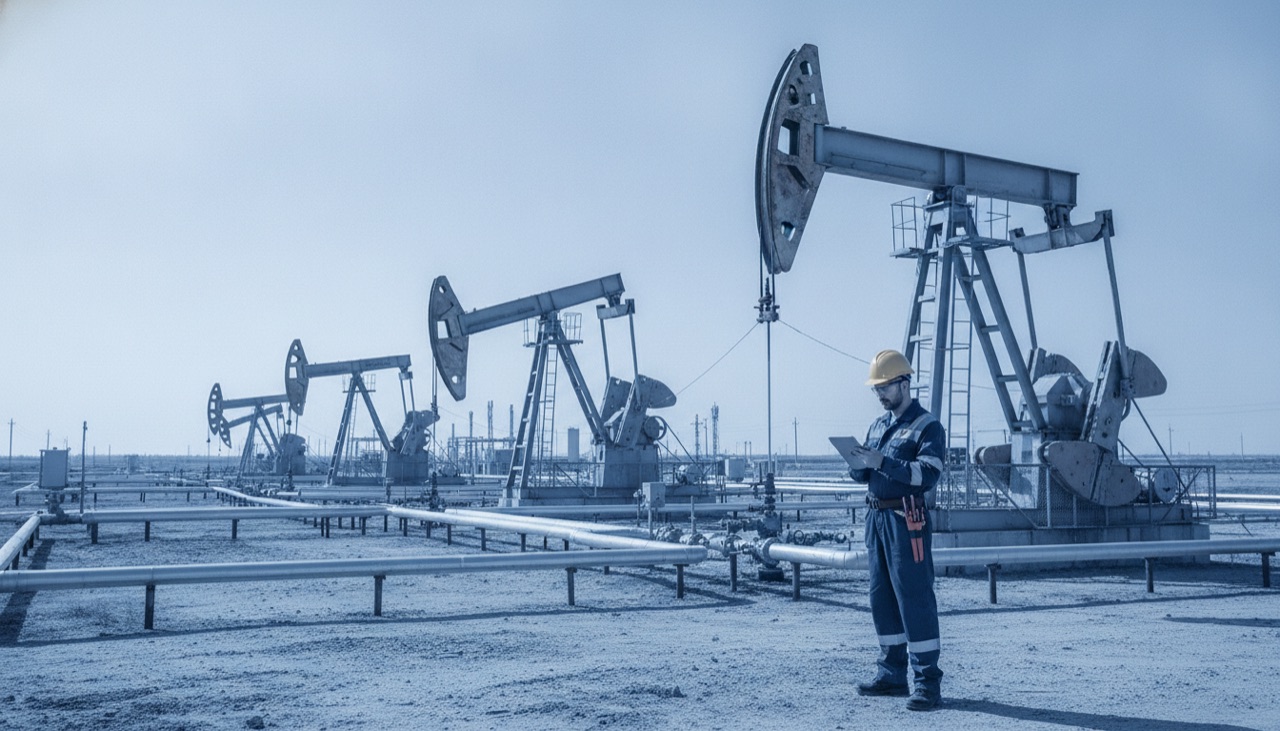
The Hold Point stops fabrication. The evidence it was released is a sheet of paper.
The company dispatches the inspection to the inspector over WhatsApp and the report comes back on paper.
The fabrication dossier photos sit in a drive, loose, with nobody able to guarantee which part, at which factory, on what date.
Every inspector delivers in a different format.
Fabrication happens in China, Korea, Italy, far from whoever needs to release the milestone payment.
From the Hold Point to the release report, everything runs through uInspect
The inspection is dispatched with the standard's scope. The inspector attests the Hold Point on the shop floor, offline, and the release report starts authorizing dispatch, with every photo at the part's coordinates.
From request to auditable report.
- 1 The inspection is dispatched with the right scope from the dashboard, in batch by spreadsheet or by API, already with the supplier, the part, the inspection point and the standard's checklist.
- 2 The inspector attests on the shop floor offline: answers the ITP checklist, captures photo, video and audio findings, and every file arrives with logged provenance, with origin, GPS, date and time.
- 3 The release report closes standardized, generated from the operation's template, under your brand, on completing the inspection.
- 4 The result returns to your workflow via webhook, and the release report stops being a lost attachment and becomes a traceable event that clears dispatch.
The capabilities that turn the inspection into evidence.
The same horizontal platform, with the features this industry actually uses. Everything inside the inspection, not in spreadsheets and scattered chats.
Attests the Hold Point offline on the shop floor and syncs on reconnection, so the inspection does not stop because the shed has no network
Every photo and video finding arrives with logged provenance (origin, GPS, date and time), so the data book evidence is born tied to the part instead of loose in a drive
A configurable ITP checklist, with more than one questionnaire per inspection, to set up dimensional, NDT, painting and packing without turning it into a project
A standardized release report, the same for every inspector at any factory, so the one-format-per-inspector report ends
API and webhooks connect the result to your expediting and milestone payment workflow, so the release report enters the flow instead of becoming an email with an attachment
A chain of custody from capture to data book, with bureau checks on individuals and companies at the origin, so the package holds up when the client disputes an acceptance
Concrete use cases in this industry.
Release of Hold Points and Witness Points against the accredited standard, with a report that unblocks fabrication
Issuance of the material release report that authorizes dispatch from the supplier's factory
Vendor inspection at international factories (China, Korea, Italy) with the evidence born dated on the shop floor
Commissioning acceptance of an EPC package, feeding the milestone step in your payment workflow
Assembly of the fabrication data book with a chain of custody from capture to the archived report
Operator contractual requirements and accredited standards
The material does not leave the factory without the release report. The inspector raises a Hold Point or a Witness Point and attests conformity against the accredited standard. In Brazil, major operators have required since 2019 that the supplier itself hires the inspection. It is a contractual requirement, not a regulatory one.
The inspection that holds up, side by side with today's.
- Informal dispatch over WhatsApp, reports on paper
- Loose photos in a drive, no part, no factory
- Every inspector in a different format
- The release report as a lost email attachment
- Dispatch with scope, in batch or by API
- Provenance per item, dated and geotagged
- A standardized release report at any factory
- The release report as a traceable event that clears dispatch
Evidence is born trustworthy at capture, and the buyer controls what it releases.
Every photo leaves capture with its provenance, GPS, date and time, and the inspection carries the questionnaire and the chain of custody of the media all the way to the report. With document bureau checks (individuals and companies), anti-fraud stops being a talking point: it is provenance plus a verified document. More than 100,000 inspections on record, and more than 15,000 per crop season, all to the same standard. The report stops being a loose sheet and becomes evidence that holds up when disputed, and the payer controls what it releases.
uInspect runs any vendor inspection workflow and delivers evidence that holds up. On-site is at the center, on the shop floor; assisted remote inspection takes international travel out of the equation without taking out the evidence, with the inspector guiding the capture live.
Questions from teams operating in oil and gas and epc.
Does it work on the shop floor without signal?
Yes. The app works offline inside the shed or at the shipyard and syncs on reconnection, preserving the original GPS, date and time of capture. The inspection does not stop because the factory has no network, and provenance is not lost in the sync.
How does the report enter the expediting workflow?
Via API and webhooks you open inspections and receive the report, the photos and the answers in your system, one by one or in batch. The release report enters the milestone payment workflow as a traceable event, instead of becoming an email with an attachment. Control over what gets dispatched stays in your system.
Can each client's ITP be configured?
Yes. The questionnaire builds each client's and each accredited standard's inspection and test plan, with more than one questionnaire per inspection, configuring dimensional, NDT, painting, packing and whatever the contract requires. One report per answered questionnaire.
How does uInspect ensure the photo came from that part, on that day?
Every finding arrives with logged provenance: origin (camera or gallery), GPS, date and time, and the device data. That origin record ties the evidence to the part and the factory and backs the package when the acceptance is disputed months later.
Does it work for factories outside Brazil?
Yes. The evidence is born on the inspector's device, on the shop floor, whether in China, Korea or Italy, and the same report standard applies at any factory. For points that do not require physical presence, assisted remote inspection takes international travel out of the equation without taking out the evidence.
How do you verify who the supplier and the inspector are?
Bureau document checks, on individuals and companies, enter at the origin of the trail. That composes the data book's chain of custody, from capture on the shop floor to the archived report, with media provenance and the bureau establishing where the evidence came from and who answered for it.
The same evidence, in any inspection mode.
This industry starts with the mode that makes the most sense, but the platform is one. Explore the three modes, or see the other industry solutions.
Put evidence at the center of your oil and gas and epc operation.
Talk to the team and see uInspect running on your use case.